Most people don’t think about their water heater until they’re met with a blast of ice water mid-shampoo. When that day comes, the instinct is to rush to the store and buy whatever is the same size as the old one.
But here’s the thing: Capacity is only one piece of the puzzle. Choosing the right water heater is a balance of technology, fuel types, and long-term efficiency. If you want to avoid high utility bills and cold showers, you need to look under the hood.
1. Tank vs. Tankless: The Great Debate
The first decision you’ll face is whether you want to stick with a traditional tank or upgrade to a tankless system.
Storage Tank Heaters
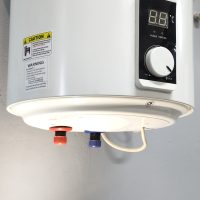
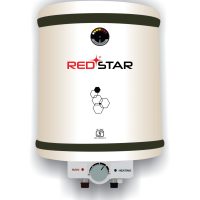
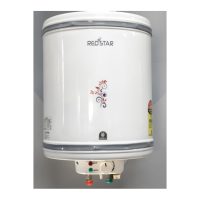
These are the “old reliable” of the industry. They keep a large reservoir of water (usually 40 to 60 gallons) heated at all times so it’s ready when you turn on the tap.
Pros: Lower upfront cost, simple installation, and works well in homes with low electrical capacity.
Cons: They suffer from standby heat loss (heating water you aren’t using) and can run out of hot water if back-to-back showers are taken.
Tankless (On-Demand) Heaters
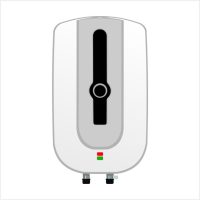
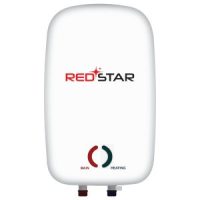
These units use high-powered burners or heating elements to flash-heat water as it flows through the device.
Pros: Endless hot water, significantly lower energy bills, and a much smaller footprint (they hang on the wall!).
Cons: Higher initial cost (often 2-3x a tank model) and may require upgrades to your gas lines or electrical panel.
2. Fuel Sources and Efficiency
How you power your heater dictates your monthly “cost to roam.” Depending on where you live, one may be significantly cheaper than the others.
Fuel Type
Efficiency Level
Best For…
Electric
Moderate
Apartments or homes without gas lines.
Natural Gas
High
Large families with high hot water demand.
Heat Pump (Hybrid)
Ultra-High
Warm climates and basements with extra space.
Solar
Maximum
Sun-drenched regions looking to go green.
Pro Tip: Look for the Uniform Energy Factor (UEF) rating. The higher the UEF, the more efficient the model is at converting energy into heat.
3. The “Hidden” Metrics: First Hour Rating & Flow Rate
If you ignore capacity for a moment, these two metrics are what actually determine your comfort:
For Tank Heaters: First Hour Rating (FHR)
The FHR tells you how many gallons of hot water the heater can deliver in one hour, starting with a full tank. If you have a 50-gallon tank but a low FHR, you’ll still run out of water during the morning rush.
For Tankless Heaters: Gallons Per Minute (GPM)
Tankless units are rated by how many gallons they can heat per minute. To calculate your needs, add up the GPM of the appliances you might use simultaneously:
Shower: 2.0 GPM
Kitchen Faucet: 1.5 GPM
Dishwasher: 1.0 GPM
Total Needed: 4.5 GPM
4. Don’t Forget the Maintenance
A water heater is an investment, and like any investment, it needs a little TLC. When shopping, consider these longevity features:
Anode Rod Material: This “sacrificial” rod attracts corrosive elements in the water so they eat the rod instead of your tank. Magnesium rods are standard, but if you have hard water, a powered anode rod might be worth the upgrade.
Digital Displays: Modern units offer leak detection alerts and vacation modes, which can save you from a flooded basement or a wasted energy bill while you’re at the beach.
Warranty: Most heaters come with a 6, 9, or 12-year warranty. Usually, the longer the warranty, the better the heating elements and the thicker the insulation.
The Verdict
Choosing the right water heater isn’t just about how much water it holds; it’s about how that water fits your lifestyle. If you have a big family and a small budget, a high-FHR gas tank is your best bet. If you live alone and want to save on space and energy, a tankless electric unit is a dream.
Before you buy, check your local utility website—many cities offer massive rebates for switching to high-efficiency or heat pump models that can offset the higher purchase price.
Choosing a water heater is one of those rare household decisions where thinking long-term pays off immediately. While it’s tempting to grab the cheapest unit with the right gallon capacity, remember that you aren’t just buying a tank—you’re buying ten to fifteen years of daily comfort.
Before you pull the trigger, do a final “reality check” on these three factors:
Your Future Needs: Are you planning to add a bathroom or grow your family? If so, prioritize a higher GPM or First Hour Rating now to avoid a bottleneck later.
The “Hidden” Costs: A high-efficiency heat pump or tankless unit might cost more upfront, but between lower monthly bills and potential federal or local tax credits, these units often pay for themselves within a few years.
Space Constraints: If your current heater is tucked in a tight crawlspace, a modern, highly insulated tank might be wider than your old one. Measure twice so you don’t end up with a unit that won’t fit through the door.
At the end of the day, the “right” water heater is the one you never have to think about. By looking beyond capacity and focusing on efficiency and recovery rates, you ensure that your showers stay hot, your bills stay low, and your morning routine remains uninterrupted.
3 comments on “Choosing the Right Water Heater: Beyond Just Capacity”
rosetyler
September 19, 2024 - 12:32 pm
Aliquam lorem vestibulum at accumsan posuere porttitor turpis sed. At laoreet vitae vitae sed vel donec purus viverra sed. Enim neque in pellentesque non pulvinar phasellus lectus natoque. Purus leo ut nisl id bibendum in.
Nunc cursus bibendum enim feugiat amet at vel nulla nulla. Dictumst nullam arcu ultricies mus duis vestibulum bibendum. Congue proin tortor volutpat nisi enim. Iaculis velit tellus massa elit magna.
Pretium molestie mollis tortor sapien eleifend ut. Nunc amet volutpat vitae purus consectetur nisl facilisis. Dui bibendum tellus in pellentesque felis urna at id. Venenatis dui risus enim eleifend tempor facilisis lorem.



3 comments on “Choosing the Right Water Heater: Beyond Just Capacity”
rosetyler
Aliquam lorem vestibulum at accumsan posuere porttitor turpis sed. At laoreet vitae vitae sed vel donec purus viverra sed. Enim neque in pellentesque non pulvinar phasellus lectus natoque. Purus leo ut nisl id bibendum in.
rosetyler
Nunc cursus bibendum enim feugiat amet at vel nulla nulla. Dictumst nullam arcu ultricies mus duis vestibulum bibendum. Congue proin tortor volutpat nisi enim. Iaculis velit tellus massa elit magna.
rosetyler
Pretium molestie mollis tortor sapien eleifend ut. Nunc amet volutpat vitae purus consectetur nisl facilisis. Dui bibendum tellus in pellentesque felis urna at id. Venenatis dui risus enim eleifend tempor facilisis lorem.